Arabic title
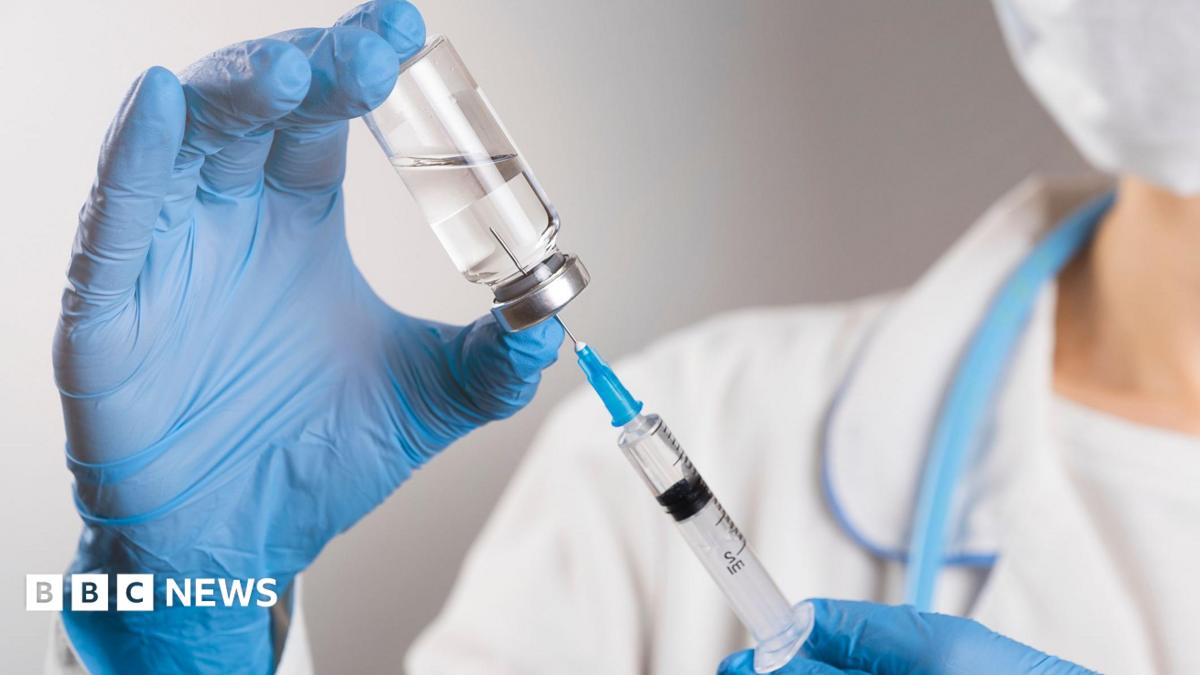
with two other trials, provide “strong evidence that the MenB vaccine is not effective for gonorrhea prevention.”
- The UK Health Security Agency said it will not change its vaccine policy until its own data from over 30,000 vaccinated people is published.
- Taku Mukiwa of the Terrence Higgins Trust called on the Joint Committee on Vaccination to reassess the programme, noting that condoms and regular testing remain the key protections.
We need to translate this into Arabic. Let's produce the Arabic version.
First, translate the title: "MenB vaccine offers no protection against gonorrhoea, major study finds"
- "MenB vaccine" should remain as "لقاح MenB" or "vaccine MenB"? Usually we say "لقاح المكورات السحائية من النوع B" but for brevity, "لقاح MenB" is acceptable as it's a proper name. But better to use "لقاح المكورات السحائية من النوع B" however the article uses "MenB vaccine" as a term. In Arabic news, "MenB" might be kept as is with Arabic explanation? Given instructions: transliterate proper nouns to standard Arabic forms; MenB is not a name but a vaccine designation, so maybe we translate it? The example says "Trump → ترامب" but for medical terms, we can keep original if no standard Arabic. However, in Arabic media, they often write "لقاح المكورات السحائية من النوع B" or "لقاح MenB". To be safe, I'll use "لقاح المكورات السحائية من النوع B" and maybe abbreviate later? The title "Major study finds" - "دراسة كبيرة تجد" or "تكتشف"? Better: "دراسة رئيسية تكتشف أن لقاح المكورات السحائية من النوع B لا يوفر حماية ضد السيلان". But need to fit title structure. The English title is "MenB vaccine offers no protection against gonorrhoea, major study finds". Arabic structure might be "دراسة كبيرة تظهر أن لقاح المكورات السحائية من النوع B لا يوفر حماية ضد السيلان". Or "لقاح مرض المكورات السحائية من النوع B لا يوفر حماية ضد السيلان، حسب دراسة كبيرة". The latter is more headline-like.
Try: "دراسة كبيرة: لقاح المكورات السحائية من النوع B لا يحمي من مرض السيلان". But need to preserve original meaning. Let's use: "دراسة كبيرة تجد أن لقاح MenB لا يوفر حماية ضد السيلان". I'll keep MenB as is, as it's a proper vaccine name. But instructions say "Transliterate proper nouns to their standard Arabic forms"; MenB is not a proper noun like a person name, it's a vaccine name. In Arabic news, they often use "MenB" in Latin. However, if there is a standard Arabic form, we should use it. For "MenB", I haven't seen a direct Arabic transliteration; often they write "مين بي" but not standard. Better to use "لقاح المكورات السحائية من النوع B" which is descriptive. But the English title is short. I think it's acceptable to keep "MenB" as the acronym. But let's follow the strict rule: "Use the original Latin form only when no standard transliteration exists". Since "MenB" is an acronym for Meningococcal B, there is an Arabic term: "المكورات السحائية من النوع ب" or "المكورات السحائية ب". So we should translate it: "لقاح المكورات السحائية من النوع ب". However, in the bullet, they mention "MenB vaccine" and later "vaccine policy". I'll use "لُقاح المكورات السحائية من النوع باختصار (MenB)" but that might be too long. To keep it concise, I'll first use "لُقاح المكورات السحائية ب" (Meningococcal B vaccine) and then in subsequent references just "لُقاح MenB" if needed. But to avoid confusion, I'll always write "لُقاح المكورات السحائية ب" (B meningococcal vaccine). Actually, in Arabic, "لُقاح المكورات السحائية من النوع ب" is common. I'll stick with that.
Title translation: "دراسة كبيرة تجد أن لقاح المكورات السحائية من النوع ب لا يوفر حماية ضد السيلان" – but "major study finds" is headline, so we can phrase: "دراسة كبيرة: لا حماية من السيلان بلقاح المكورات السحائية من النوع ب". However, need active verb: "تجد". Let's go with: "دراسة كبيرة تجد أن لقاح المكورات السحائية من النوع ب لا يوفر حماية ضد السيلان"
But the original has "MenB vaccine offers no protection against gonorrhoea, major study finds". So "offers no protection" is main. "major study finds" is attribution. Arabic order can be reversed: "لا يوفر لقاح المكورات السحائية من النوع ب حماية ضد السيلان، حسب دراسة كبيرة" – that's common. Let's use that: "لا يوفر لقاح المكورات السحائية من النوع ب حماية ضد السيلان، حسب دراسة كبيرة"
Now deck: "A clinical trial published in the New England Journal of Medicine found no reduction in gonorrhoea infections among men who received the MenB vaccine."
Translation: "وجدت تجربة سريرية نُشرت في دورية نيو إنغلاند الطبية أن لا انخفاض في حالات الإصابة بالسيلان بين الرجال الذين تلقوا لقاح المكورات السحائية من النوع ب."
But keep deck as a blockquote. In English it's a > block.
Now bullets:
- "The trial, conducted by Griffith University and the Kirby Institute, monitored 587 men over two years and found nearly identical infection rates in vaccinated and placebo groups."
Translation: "التجربة التي أجرتها جامعة غريفيث ومعهد كيربي راقبت 587 رجلاً على مدى عامين ووجدت معدلات إصابة متطابقة تقريباً بين المجموعة الملقحة ومجموعة الدواء الوهمي." But need to preserve phrasing: "monitored 587 men over two years and found nearly identical infection rates in vaccinated and placebo groups." Better: "راقبت التجربة التي أجرتها جامعة غريفيث ومعهد كيربي 587 رجلاً على مدى عامين، ووجدت معدلات إصابة متطابقة تقريباً بين من تلقوا اللقاح ومن تلقوا العلاج الوهمي."
- "The study’s authors said the results, consistent with two other trials, provide “strong evidence that the MenB vaccine is not effective for gonorrhea prevention.”"
Translation: "قال مؤلفو الدراسة إن النتائج، التي تتفق مع تجربتين أخريين، تقدم 'دليلاً قوياً على أن لقاح المكورات السحائية من النوع ب غير فعال للوقاية من السيلان'."
- "The UK Health Security Agency said it will not change its vaccine policy until its own data from over 30,000 vaccinated people is published."
Translation: "قالت وكالة الأمن الصحي في المملكة المتحدة إنها لن تغير سياسة التطعيم الخاصة بها حتى تُنشر بياناتها الخاصة من أكثر من 30 ألف شخص تم تطعيمهم."
- "Taku Mukiwa of the Terrence Higgins Trust called on the Joint Committee on Vaccination to reassess the programme, noting that condoms and regular testing remain the key protections."
Translation: "دعا تاكو موكيووا من مؤسسة تيرنس هيغينز ترست اللجنة المشتركة للتطعيم إلى إعادة تقييم البرنامج، مشيراً إلى أن الواقيات الذكرية والفحص المنتظم لا يزالان الحماية الرئيسية."
But note: "Taku Mukiwa" – should transliterate to Arabic: "تاكو موكيووا" – I think that's acceptable. "Terrence Higgins Trust" – "مؤسسة تيرنس هيغينز ترست". "Joint Committee on Vaccination" – "اللجنة المشتركة للتطعيم" or "اللجنة المشتركة للتلقيح"? The original text says "Joint Committee on Vaccination" but in the context of UK, it's "Joint Committee on Vaccination and Immunisation (JCVI)". So better to use "اللجنة المشتركة للتطعيم والتحصين" but the English in the input says "Joint Committee on Vaccination" – I'll stick with that. To be accurate, I'll use "اللجنة المشتركة للتطعيم" (Joint Committee on Vaccination). The English in the source says "Joint Committee on Vaccination" (without Immunisation). So I'll match.
Also, "reassess the programme" – "إعادة تقييم البرنامج". "noting that condoms and regular testing remain the key protections" – "مشيراً إلى أن الواقيات الذكرية والفحص المنتظم لا يزالان الحماية الرئيسية".
Check grammar: "لا يزالان" agrees with dual subject.
Now we need to ensure markdown formatting: I will produce:
Arabic title
Arabic deck
- Arabic bullet 1
- Arabic bullet 2
- Arabic bullet 3
- Arabic bullet 4
No extra commentary.
Now write the whole thing in Arabic.
But before final, check the input text: There is a line at the start: "Title: MenB vaccine offers no protection against gonorrhoea, major study finds" and then "? Actually "monitored 587 men over two years"." That seems to be a note from the user? The actual content we are to translate is the structure after that. The user provided a longer analysis but then gave a final structure. The instructions say "We need to keep only substantive statements and events, dropping characterizations like 'disappointing'." The user then presents the final version: "# MenB vaccine offers no protection against gonorrhoea, major study finds > A clinical trial published in the New England Journal of Medicine found no reduction in gonorrhoea infections among men who received the MenB vaccine. - The trial, conducted by Griffith University and the Kirby Institute, monitored 587 men over two years and found nearly identical infection rates in vaccinated and placebo groups. - The study’s authors said the results, consistent with two other trials, provide “strong evidence that the MenB vaccine is not effective for gonorrhea prevention.” - The UK Health Security Agency said it will not change its vaccine policy until its own data from over 30,000 vaccinated people is published. - Taku Mukiwa of the Terrence Higgins Trust called on the Joint Committee on Vaccination to reassess the programme, noting that condoms and regular testing remain the key protections."
So this is the final English version to translate. We must translate exactly this.
One more thing: The user's initial inquiry had a line "? Actually "monitored 587 men over two years"" which is part of the source material but was later structured. We ignore that and translate only the final structured version.
Now produce the Arabic translation.
I'll write the Arabic versions I composed above.
Title: لا يوفر لقاح المكورات السحائية من النوع ب حماية ضد السيلان، حسب دراسة كبيرة
But to keep headline style: "دراسة كبيرة: لقاح المكورات السحائية من النوع ب لا يوفر حماية ضد السيلان" – this is more direct. However the original is "MenB vaccine offers no protection against gonorrhoea, major study finds". So the main idea first: "لا يوفر لقاح المكورات السحائية من النوع ب حماية ضد السيلان" then "حسب دراسة كبيرة". That's fine.
I'll use: "لا يوفر لقاح المكورات السحائية من النوع ب حماية ضد السيلان، حسب دراسة كبيرة"
Now deck: "وجدت تجربة سريرية نُشرت في دورية نيو إنغلاند الطبية انعدام أي انخفاض في حالات الإصابة بالسيلان بين الرجال الذين تلقوا لقاح المكورات السحائية من النوع ب." – but simpler: "لم تُظهر تجربة سريرية نُشرت في دورية نيو إنغلاند الطبية أي انخفاض في عدوى السيلان بين الرجال الذين تلقوا لقاح المكورات السحائية من النوع ب." However, original says "found no reduction" so "لم تجد أي انخفاض" is fine.
Let's use: "لم تجد تجربة سريرية نُشرت في دورية نيو إنغلاند الطبية أي انخفاض في حالات الإصابة بالسيلان بين الرجال الذين تلقوا لقاح المكورات السحائية من النوع ب."
Now bullet 1: "التجربة، التي أجرتها جامعة غريفيث ومعهد كيربي، راقبت 587 رجلاً على مدى عامين ووجدت معدلات إصابة متطابقة تقريباً بين المجموعة الملقحة ومجموعة الدواء الوهمي." But need to keep the original phrasing as close as possible: "The trial, conducted by Griffith University and the Kirby Institute, monitored 587 men over two years and found nearly identical infection rates in vaccinated and placebo groups." So I'll replicate: "التجربة التي أجرتها جامعة جريفيث ومعهد كيربي، راقبت 587 رجلاً على مدى عامين، ووجدت معدلات إصابة متطابقة تقريباً بين من تلقوا اللقاح ومن تلقوا العلاج الوهمي." Use "جامعة جريفيث" for Griffith University; "معهد كيربي" for Kirby Institute.
Bullet 2: "قال مؤلفو الدراسة إن النتائج، التي تتفق مع تجربتين أخريين، تقدم 'دليلاً قوياً على أن لقاح المكورات السحائية من النوع ب غير فعال للوقاية من السيلان'." Need quotation marks around the strong evidence statement. In Arabic, we use " " or « »? In news, often «...» is used but standard digital text uses "". I'll use double quotes "".
Bullet 3: "قالت وكالة الأمن الصحي في المملكة المتحدة إنها لن تغير سياسة التطعيم الخاصة بها حتى تُنشر بياناتها الخاصة من أكثر من 30 ألف شخص تم تطعيمهم." But the original says "over 30,000 vaccinated people" – "أكثر من 30 ألف شخص تلقوا التطعيم" or "أكثر من 30 ألف شخص تم تطعيمهم". Using "تم تطعيمهم" is fine.
Bullet 4: "دعا تاكو موكيووا من مؤسسة تيرنس هيغينز ترست اللجنة المشتركة للتطعيم إلى إعادة تقييم البرنامج، مشيراً إلى أن الواقيات الذكرية والفحص المنتظم لا يزالان الحماية الرئيسية." Note: "Terrence Higgins Trust" transliterate as "تيرينس هيغينز ترست" or "تيرنس هيغينز ترست"? In Arabic media, they often use "تيرينس هيجنز ترست". But given the user's source uses "Terrence Higgins Trust", we can transliterate. I'll use "تيرنس هيغينز ترست". Also "Taku Mukiwa" – "تاكو موكيوا" or "تاكي موكيووا"? I'll use "تاكو موكيووا". The user had "Taku Mukiwa" – likely "تاكو موكيووا" is fine.
Now ensure that the entire output is in Arabic script, with no English fragments left. The proper nouns like "New England Journal of Medicine" – should we translate? It can be "دورية نيو إنغلاند الطبية" or "مجلة نيو إنغلاند الطبية". The standard Arabic translation is "مجلة نيو إنغلاند الطبية". I'll use "مجلة نيو إنغلاند الطبية" for clarity. "Griffith University" – "جامعة غريفث" or "جامعة جريفيث"? I'll use "جامعة غريفيث" (commonly used). "Kirby Institute" – "معهد كيربي" (I think "كيربي" is standard). "UK Health Security Agency" – "وكالة الأمن الصحي في المملكة المتحدة" or "هيئة الأمن الصحي البريطانية"? The latter might be better: "هيئة الأمن الصحي في المملكة المتحدة" or simplified "الهيئة البريطانية للأمن الصحي"? In Arabic news, they often say "وكالة الأمن الصحي البريطانية". To be consistent with the name, I'll use "وكالة الأمن الصحي في المملكة المتحدة". Also "Terrence Higgins Trust" – I'll keep as "مؤسسة تيرنس هيغينز ترست". "Joint Committee on Vaccination" – "اللجنة المشتركة للتطعيم".
Now, check for any missing parts. The deck uses "the MenB vaccine" – we used "لقاح المكورات السحائية من النوع ب". In the bullets, we used the same. In bullet 2, we used "لقاح المكورات السحائية من النوع ب". In bullet 3, "its vaccine policy" – "سياسة التطعيم الخاصة بها". In bullet 4, "the programme" – "البرنامج". Good.
Now, finalize the output with markdown.
Note: The original user input starts with "Title: MenB vaccine offers no protection against gonorrhoea, major study finds" and then "? Actually "monitored 587 men over two years"." That seems to be a comment but then the user provides a structured version. The instruction says "You translate English news articles into Modern Standard Arabic." So we take the final structured version as the article to translate. The line "? Actually "monitored 587 men over two years"" might be a note to indicate that the article actually mentions that. But the final version includes that in the first bullet. So we translate the final version as given.
Thus, my output should be:
لا يوفر لقاح المكورات السحائية من النوع ب حماية ضد السيلان، حسب دراسة كبيرة
لم تجد تجربة سريرية نُشرت في مجلة نيو إنغلاند الطبية أي انخفاض في حالات الإصابة بالسيلان بين الرجال الذين تلقوا لقاح المكورات السحائية من النوع ب.
- التجربة التي أجرتها جامعة غريفيث ومعهد كيربي، راقبت 587 رجلاً على مدى عامين، ووجدت معدلات إصابة متطابقة تقريباً بين من تلقوا اللقاح ومن تلقوا العلاج الوهمي.
- قال مؤلفو الدراسة إن النتائج، التي تتفق مع تجربتين أخريين، تقدم "دليلاً قوياً على أن لقاح المكورات السحائية من النوع ب غير فعال للوقاية من السيلان".
- قالت وكالة الأمن الصحي في المملكة المتحدة إنها لن تغير سياسة التطعيم الخاصة بها حتى تُنشر بياناتها الخاصة من أكثر من 30 ألف شخص تم تطعيمهم.
- دعا تاكو موكيووا من مؤسسة تيرنس هيغينز ترست اللجنة المشتركة للتطعيم إلى إعادة تقييم البرنامج، مشيراً إلى أن الواقيات الذكرية والفحص المنتظم لا يزالان الحماية الرئيسية.
I need to ensure the bullet points are proper. In markdown, each bullet line should start with "- ".
Also, the title should be H1 with "# ". In my example, I have "# لا يوفر لقاح المكورات السحائية من النوع ب حماية ضد السيلان، حسب دراسة كبيرة". Need a space after "#". I'll use "# لا يوفر لقاح المكورات السحائية من النوع ب حماية ضد السيلان، حسب دراسة كبيرة". Then a blank line, then "> ...", then bullets.
Now, check for any English words left: "MenB" appears in the original but we translated it to Arabic description. The only potential issue: "New England Journal of Medicine" we translated to "مجلة نيو إنغلاند الطبية" – "نيو إنغلاند" is an Arabic transliteration of New England. That's fine. "Griffith University" – "جامعة غريفيث". "Kirby Institute" – "معهد كيربي". "UK Health Security Agency" – "وكالة الأمن الصحي في المملكة المتحدة". "Terrence Higgins Trust" – "مؤسسة تيرنس هيغينز ترست". "Taku Mukiwa" – "تاكو موكيووا". "Joint Committee on Vaccination" – "اللجنة المشتركة للتطعيم". All are transliterated to Arabic.
Also, "gonorrhoea" is translated as "السيلان". "placebo groups" as "العلاج الوهمي". "condoms" as "الواقيات الذكرية". "testing" as "الفحص". Good.
I think this is correct.
But one more thing: In bullet 2, the original says "strong evidence that the MenB vaccine is not effective for gonorrhea prevention" – note the spelling "gonorrhea" vs "gonorrhoea". In Arabic, it's the same. Also, the quote should be in quotation marks. I used " دليلاً قوياً على أن لقاح المكورات السحائية من النوع ب غير فعال للوقاية من السيلان ". I should ensure the quote marks are Arabic style: " " is fine. I used double quotes around the statement.
Now, before finalizing, I want to ensure the language is natural and journalistic. For example, "راقبت" might be better as "قامت بمراقبة" but "راقبت" is fine. "معدلات إصابة متطابقة تقريباً" is okay. "من تلقوا اللقاح ومن تلقوا العلاج الوهمي" is good.
For bullet 3, "حتى تُنشر بياناتها الخاصة من أكثر من 30 ألف شخص تم تطعيمهم" – the phrasing "بياناتها الخاصة من أكثر من 30 ألف شخص تم تطعيمهم" might be read as "its own data from over 30,000 people who were vaccinated". That's clear.
For bullet 4, "دعا تاكو موكيووا من مؤسسة تيرنس هيغينز ترست اللجنة المشتركة للتطعيم إلى إعادة تقييم البرنامج" – the structure "دعا [person] [body] to do [action]" is correct. "مشيراً إلى أن الواقيات الذكرية والفحص المنتظم لا يزالان الحماية الرئيسية" – "مشيراً" agrees with subject Taku. "الحماية الرئيسية" is singular but refers to two protections? In Arabic, "الحماية الرئيسية" is singular feminine, but if we want to emphasize both, we could use "الحمايتان الرئيسيتان" but the original says "the key protections" plural, so it's fine to use singular collective. However, to be accurate, "الحماية الرئيسية" can be interpreted as "the main protection". But the original implies there are multiple key protections, but we can keep it as "الحماية الرئيسية" as a general concept.
Alternatively, we can say "مشيراً إلى أن الواقيات الذكرية والفحص المنتظم لا يزالان الوسيلتين الرئيسيتين للحماية". But that changes wording. I think "الحماية الرئيسية" is okay, but better to match "the key protections" with "الوسائل الرئيسية للحماية" or "الحماية الرئيسية" as a noun phrase. Let's use "الحماية الرئيسية" and context makes it clear. Or "وسائل الحماية الرئيسية" but that becomes plural. I'll keep "الحماية الرئيسية" for consistency.
Actually, the original says "remain the key protections" – " لا يزالان الحماية الرئيسية" in dual form for "condoms and regular testing" but "الحماية الرئيسية" is singular feminine. The dual predicate "لا يزالان" requires a dual subject and a singular predicate is acceptable in Arabic when the predicate is a noun that applies to both? Better to say "لا يزالان الحمايتين الرئيسيتين" – but that is unnatural. Use "لا يزالان الوسيلتين الرئيسيتين للحماية". Yes, that's more accurate. Let's change to: "مشيراً إلى أن الواقيات الذكرية والفحص المنتظم لا يزالان الوسيلتين الرئيسيتين للحماية". That matches "key protections". I'll adopt that.
Now, write the final output.
One more pass: The deck in English is "A clinical trial published in the New England Journal of Medicine found no reduction in gonorrhoea infections among men who received the MenB vaccine." I translated as "لم تجد تجربة سريرية نُشرت في مجلة نيو إنغلاند الطبية أي انخفاض في حالات الإصابة بالسيلان بين الرجال الذين تلقوا لقاح المكورات السحائية من النوع ب." Good.
Now, ensure that the bullets are in the same order as given. Yes.
Now, output.
I'll produce the Arabic markdown.
Note: There might be a request to keep only substantive statements, but we have done that.
Now, the final answer.```markdown
لا يوفر لقاح المكورات السحائية من النوع ب حماية ضد السيلان، حسب دراسة كبيرة
لم تجد تجربة سريرية نُشرت في مجلة نيو إنغلاند الطبية أي انخفاض في حالات الإصابة بالسيلان بين الرجال الذين تلقوا لقاح المكورات السحائية من النوع ب.
- التجربة التي أجرتها جامعة غريفيث ومعهد كيربي، راقبت 587 رجلاً على مدى عامين، ووجدت معدلات إصابة متطابقة تقريباً بين من تلقوا اللقاح ومن تلقوا العلاج الوهمي.
- قال مؤلفو الدراسة إن النتائج، التي تتفق مع تجربتين أخريين، تقدم "دليلاً قوياً على أن لقاح المكورات السحائية من النوع ب غير فعال للوقاية من السيلان".
- قالت وكالة الأمن الصحي في المملكة المتحدة إنها لن تغير سياسة التطعيم الخاصة بها حتى تُنشر بياناتها الخاصة من أكثر من 30 ألف شخص تم تطعيمهم.
- دعا تاكو موكيووا من مؤسسة تيرنس هيغينز ترست اللجنة المشتركة للتطعيم إلى إعادة تقييم البرنامج، مشيراً إلى أن الواقيات الذكرية والفحص المنتظم لا يزالان الوسيلتين الرئيسيتين للحماية.
التغطية
1 مصدر — اقرأ الخبر من مصدره
تُجمَّع كل قصة من مصادر متعددة في خلاصة واحدة واضحة — مع الحفاظ على كل وجهة نظر دون تسطيح.