Science
Bamboo flowering drives rodent outbreaks and crop crisis in Mizoram
Synthesized from1 source
AI-generated summary
Bamboo flowering drives rodent outbreaks and crop crisis in Mizoram
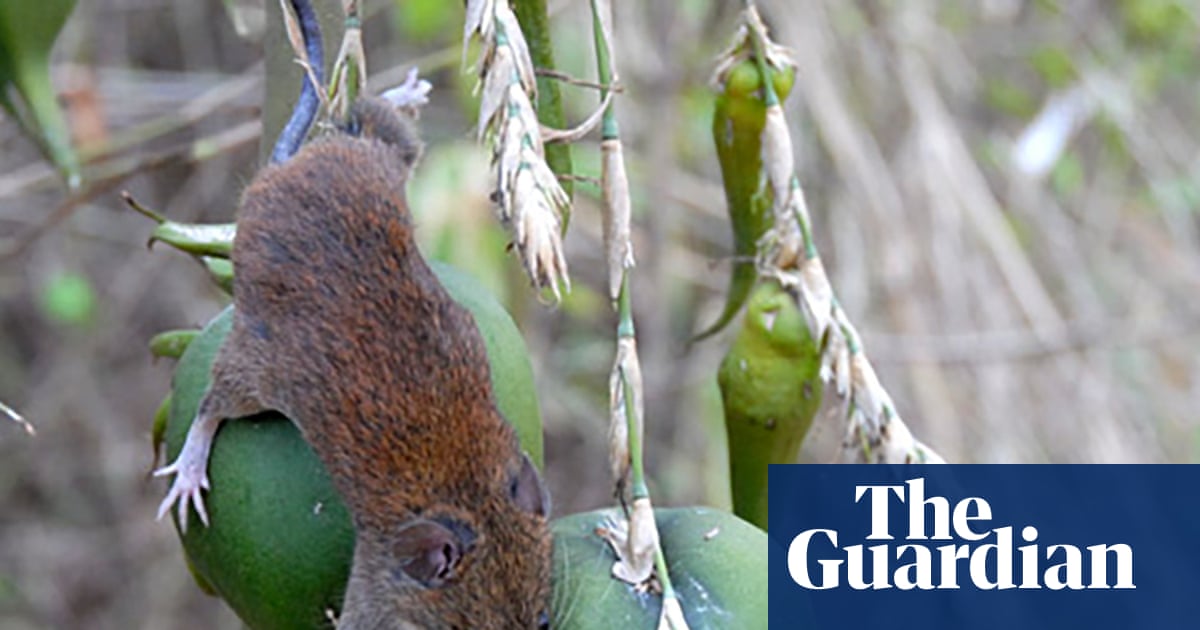
A natural bamboo flowering cycle has led to a surge in rodent populations, devastating crops for thousands of farmers in northeastern India.
- The state agriculture department estimates more than 5,300 farmers have been affected across Mizoram, with rice, maize, ginger, pumpkin, and beans damaged.
- Dr Lalthanzami of the Forest Research Centre for Bamboo and Rattan stated that bamboo seeds become a major food source for rodents, leading to rapid breeding and spread into farms.
- The state government has initiated rodent control operations distributing zinc phosphide and bromadiolone, while some communities refuse chemicals over water contamination fears and use traditional bamboo traps instead.
- Historian Lalrinmawia of Mizoram University said that long-term planning and preparedness have remained inconsistent, with responses often beginning after damage has already started.
TopicsDr LalthanzamiBromadioloneAgricultureEnvironmental ScienceBamboo FloweringTraditional FarmingNortheast IndiaTraditional TrapsBamboo Flowering Rodent Outbreak Crop Crisis MizoramLalrinmawiaMizoramPest ManagementRodent OutbreakGovernment ResponseCrop CrisisForest Research Centre Bamboo RattanDisaster PreparednessClimate ImpactWater ContaminationZinc Phosphide
Coverage
1 outlet — read the original reporting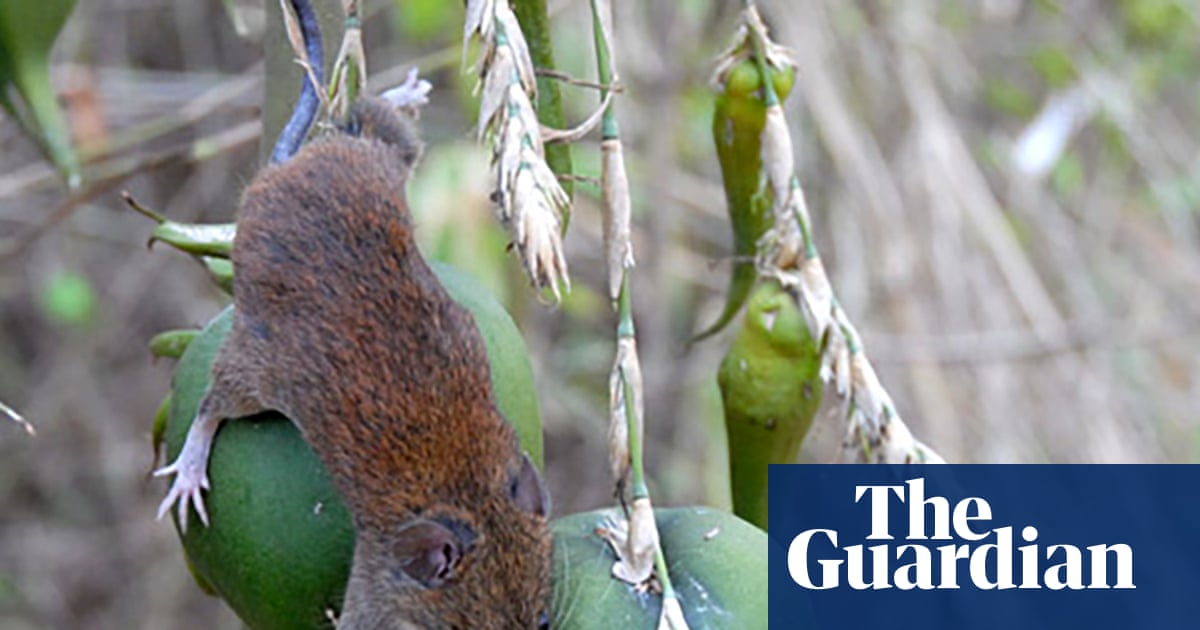
Every story is brought together from multiple sources into a single, clear summary — with every perspective kept, not flattened.