Technology
Egypt's Grand Mufti Says AI Cannot Replace Human Judgment in Fatwa Issuance
Synthesized from1 source
AI-generated summary
Egypt's Grand Mufti Says AI Cannot Replace Human Judgment in Fatwa Issuance
Egypt's top religious official and the Coptic Pope addressed the role of artificial intelligence in religious and theological work during separate events in Alexandria and Cairo on Monday.
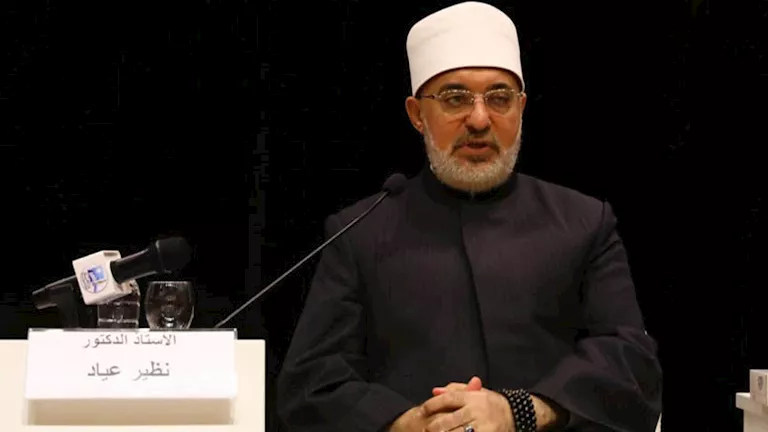
- Grand Mufti Nazir Mohamed Ayyad stated that AI will remain a tool that cannot replace the human element in issuing religious rulings, speaking at an open discussion at the Bibliotheca Alexandrina.
- Ayyad said Egypt's Dar al-Ifta has developed an AI system that refused during testing to issue a fatwa on a topic without documented information, referring the questioner to the competent authority.
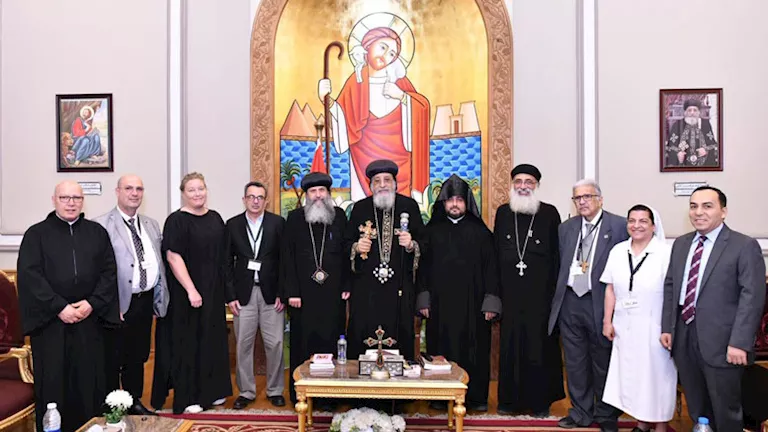
- Pope Tawadros II of the Coptic Orthodox Church told the executive committee of the Association of Theological Institutes in the Middle East that adherence to Christian principles is necessary in the age of AI.
- The pope outlined five foundational principles — safety, belonging, identity, purpose, and competence — which he said are essential for theological work in facing contemporary challenges.
Coverage
2 outlets — read the original reporting
Every story is brought together from multiple sources into a single, clear summary — with every perspective kept, not flattened.