Science
Tuatara Research Reveals New Biological Insights Decades After Record 111-Year-Old Birth
Synthesized from1 source
AI-generated summary
Tuatara Research Reveals New Biological Insights Decades After Record 111-Year-Old Birth
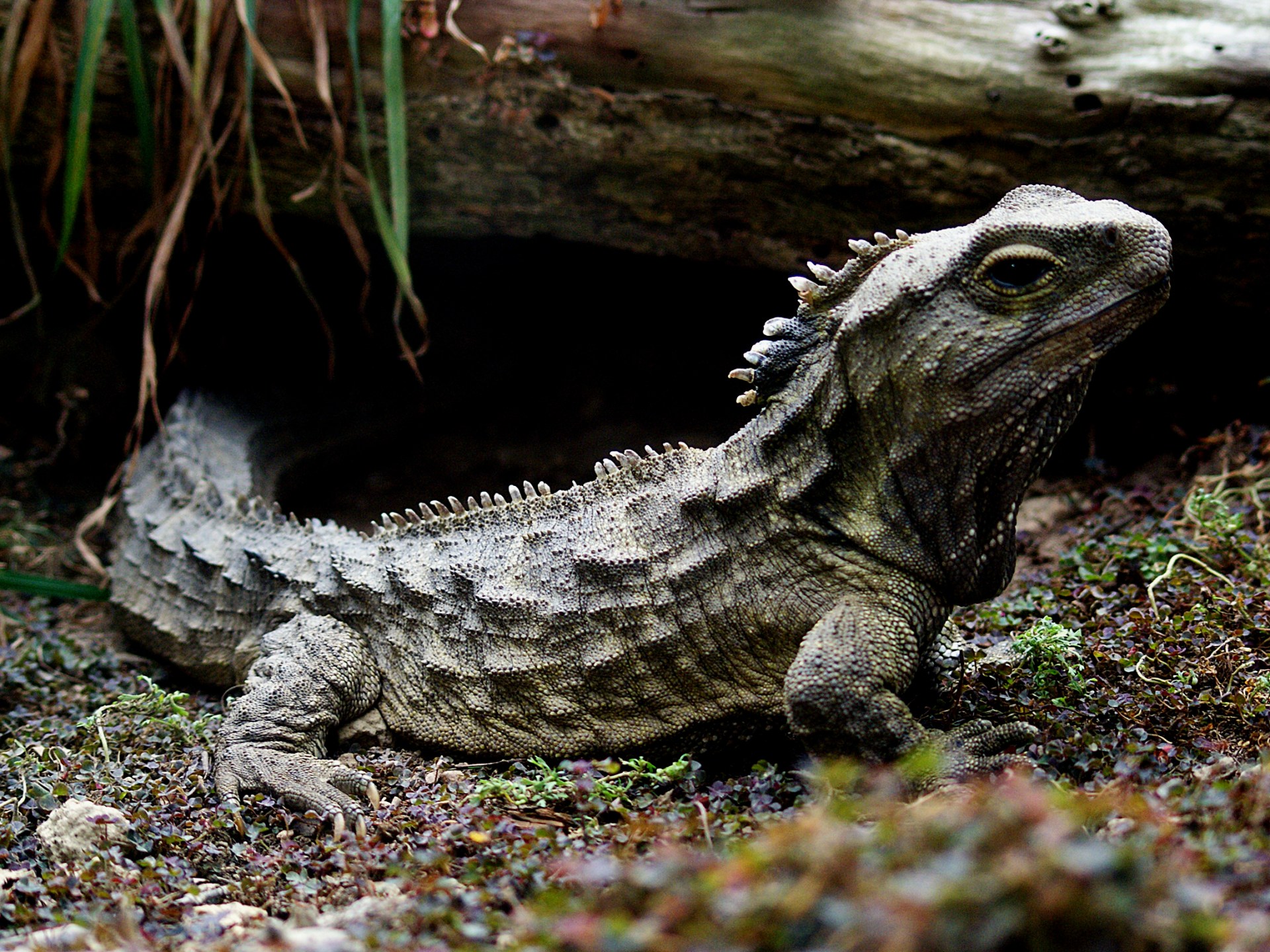
A New Zealand tuatara named Henry fathered offspring at age 111 in 2009, and recent studies have uncovered deeper biological and evolutionary secrets about the ancient reptile species.
- Henry, a tuatara at the Te Uenuku Museum in Southland, produced 11 offspring from 12 eggs in 2009 after a cancerous tumor was removed from his body.
- A study published in Brain, Behavior and Evolution found that the tuatara's brain retains a primitive neural structure similar to turtle brains, shedding light on vertebrate brain evolution.
- CT scans published in the Zoological Journal of the Linnean Society revealed that the tuatara's skeleton preserves ancient anatomical features in its vertebrae and ribs.
- Researchers developed the "Tuatara Optimization Algorithm," published in the International Journal of Intelligent Engineering and Systems, by studying the reptile's nocturnal hunting and movement strategies.
Coverage
1 outlet — read the original reporting
Every story is brought together from multiple sources into a single, clear summary — with every perspective kept, not flattened.