Politics
US bilateral health deals face resistance from African nations over data sovereignty and conditions
Synthesized from1 source
AI-generated summary
US bilateral health deals face resistance from African nations over data sovereignty and conditions
The Trump administration's new bilateral health agreements, replacing multilateral USAID programs, have been accepted by some African nations but rejected by others over data, sovereignty, and commercial linkage concerns.
- US Secretary of State Marco Rubio signed a $2.5bn deal with Kenya in December, later delayed by a court but approved last month.
- Ghana, Zambia, and Zimbabwe rejected deals citing concerns over US access to medical data and linking health funding to critical minerals access.
- South Africa's Health Minister Aaron Motsoaledi said no self-respecting nation should accept US demands for pathogen data and genome sequencing.
- US State Department said foreign assistance is "strategic capital" to advance US interests and expects nations to take US priorities seriously.
TopicsGhanaZambiaSouth AfricaData SovereigntyCritical MineralsKenyaZimbabweUS Foreign AidGenome SequencingHealth
Coverage
1 outlet — read the original reporting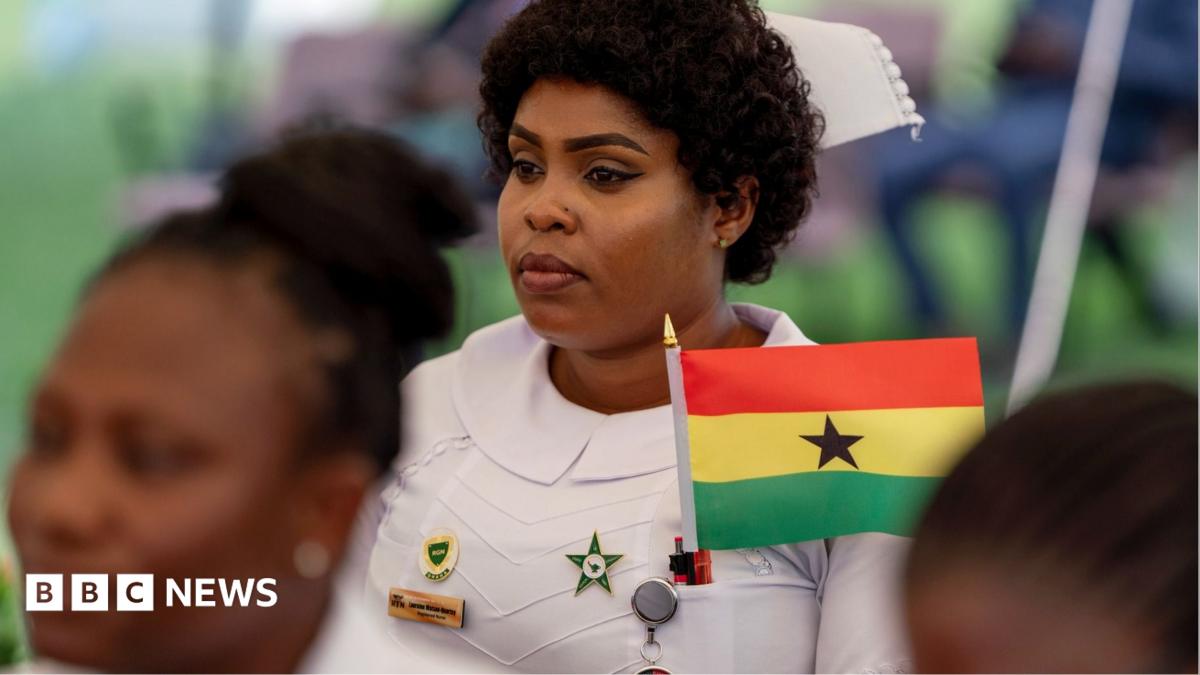
Every story is brought together from multiple sources into a single, clear summary — with every perspective kept, not flattened.