Science
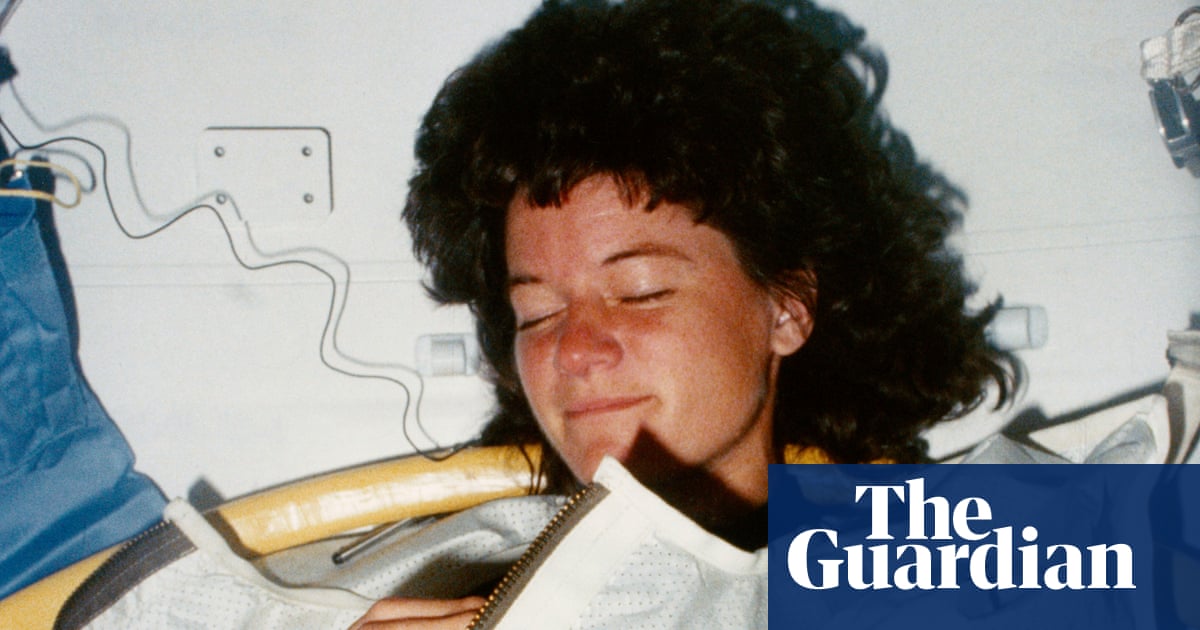
Scientists advance human hibernation research for space travel and medicine
Synthesized from1 source
AI-generated summary
Scientists advance human hibernation research for space travel and medicine
Researchers are developing techniques to induce synthetic torpor in humans, aiming to protect against space radiation and treat diseases on Earth.
- European Space Agency researcher Christiane Hahn said hibernation could "transform the future of space travel" by reducing radiation damage, muscle loss, and payload requirements.
- Scientists at Washington University in St. Louis have used ultrasound to trigger synthetic torpor in animals since 2023, avoiding invasive brain surgery.
- University of Pittsburgh researcher Clifton Callaway gave healthy humans a sedative for five days, reducing metabolic rate by 20% and calorie consumption by 30%.
- MIT researcher Siniša Hrvatin published a non-peer-reviewed paper activating neurons in hamsters' preoptic area to lower body temperature to 15°C.
Coverage
1 outlet — read the original reporting
Every story is brought together from multiple sources into a single, clear summary — with every perspective kept, not flattened.