Science
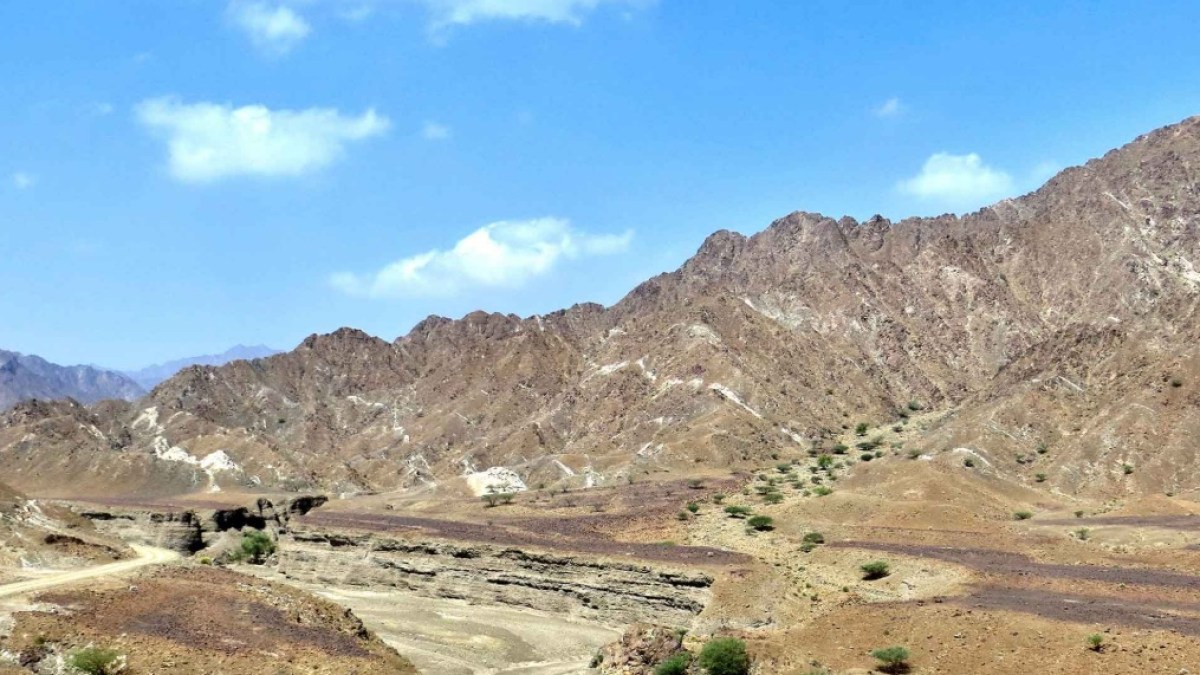
Oman's Samail Ophiolite Revealed as World's Most Significant Natural Carbon Sink, Study Finds
Synthesized from1 source
AI-generated summary
Oman's Samail Ophiolite Revealed as World's Most Significant Natural Carbon Sink, Study Finds
A new study published in Nature Communications has found that the Samail Ophiolite in Oman may capture up to 90% of carbon entering subduction zones, far more than previously estimated.
- The study, published in Nature Communications, analyzed trace elements in listvenite rocks from the Ophiolite to trace ancient carbon movement.
- Dr. Eliot Carter of the University of Manchester stated that the observed carbon sequestration rate ranges from 17 to 34 million tonnes per year.
- Carter said that the carbon stored in the mantle rocks may represent up to 90% of total carbon entering subduction zones globally.
- Carter added that the findings could inform future research on using rocks for permanent carbon capture to mitigate climate change.
TopicsNatural Carbon SinkomanListvenite RocksSamail Ophiolite Carbon SinkCarbon SequestrationSubduction Zones
Coverage
1 outlet — read the original reporting
Every story is brought together from multiple sources into a single, clear summary — with every perspective kept, not flattened.